Do employers even care about certificates?
Questions from the ground, answered with verified information.
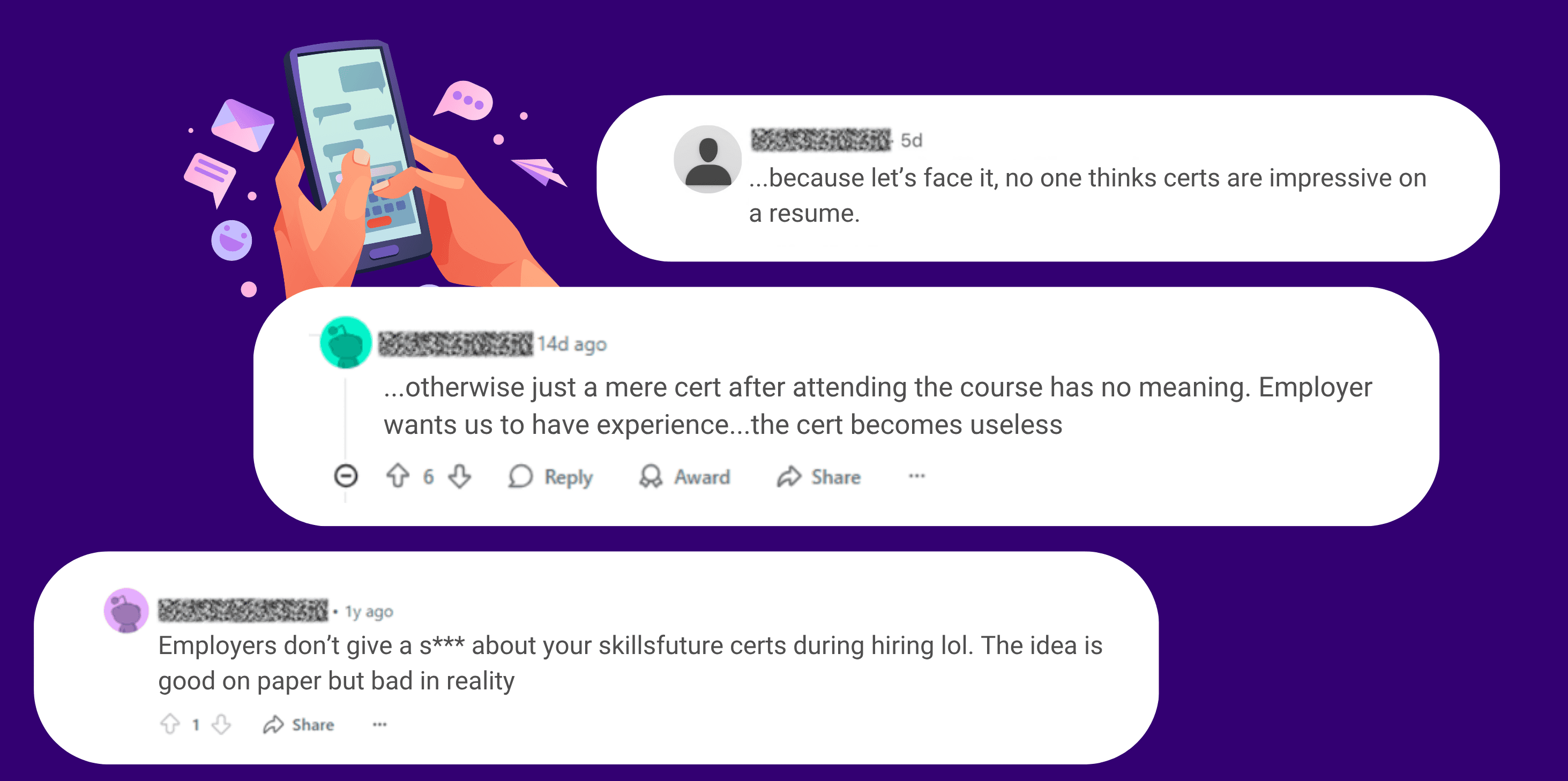
If you've ever scrolled past a comment saying certifications are useless and resonated with it to a certain extent, you're not alone. But before writing them off completely, let’s unpack that a little.
Nobody gets hired just by uploading their certificates. The real question is: What does a certificate tell an employer or hiring manager about you?
Today, the workplace is evolving faster than traditional career paths can keep up. Staying still may be riskier than taking a chance to develop your skills. Hiring managers are moving beyond academic qualifications alone. 76.6% of employers said that recent training, certifications, or skills development were important when assessing applicants.1
The question employers are asking has shifted from "What did you study?" to "Can you adapt?" New technologies reshape industries, roles evolve, and what you studied or formally trained for may only be the starting point of an equally evolving learning journey of new skills, as studies show that the shelf-life of skills is shortening.
That's where upskilling comes in, not as a magic ticket, but as proof that you're still growing and evolving with the times!
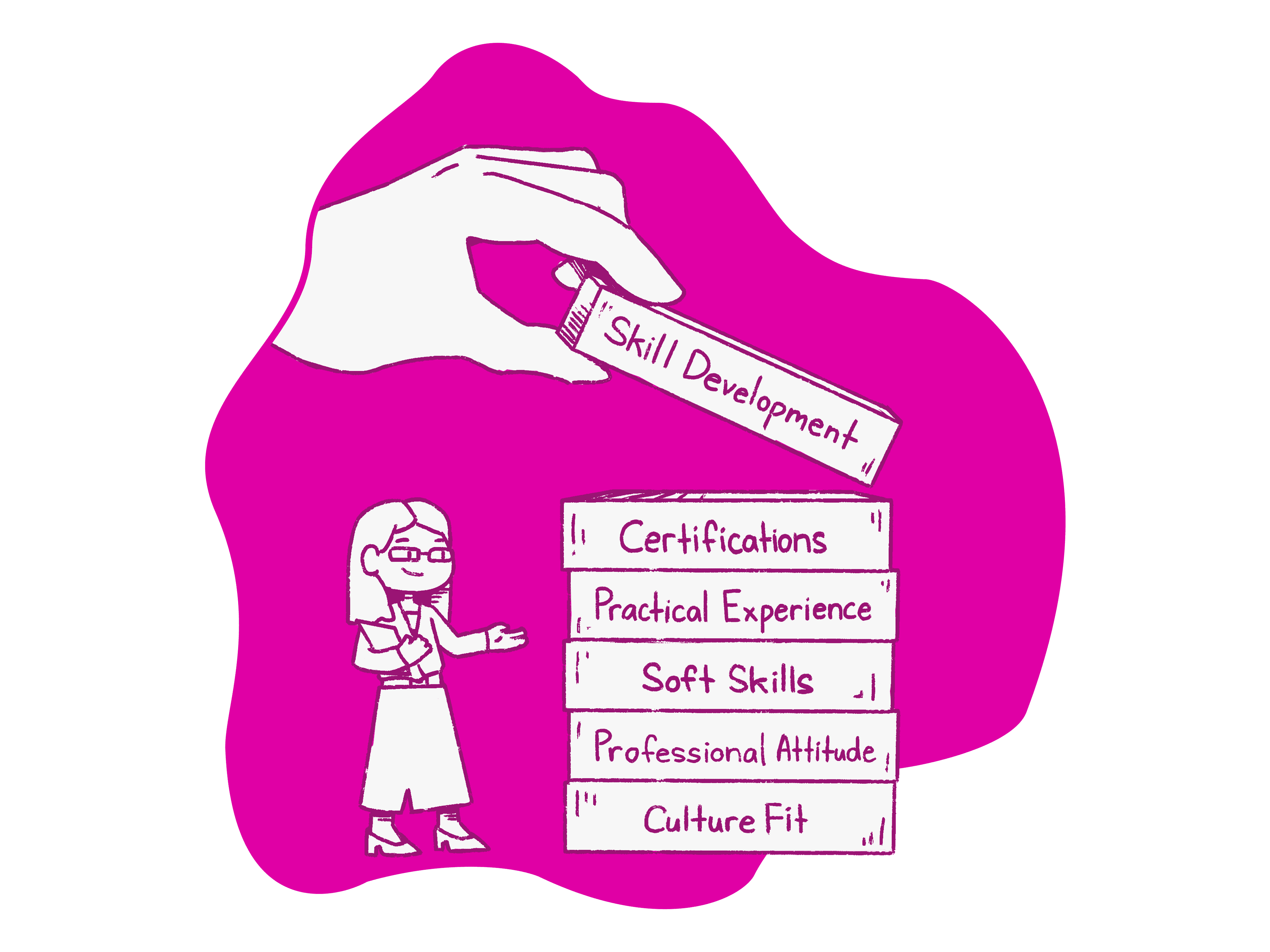
Think of certifications as evidence of effort, initiative and discipline. You don’t need ten different certificates to be the most employable candidate for the role.
Employers still look for a whole range of qualities, and the best certificate will rarely outweigh the best fit for a role.
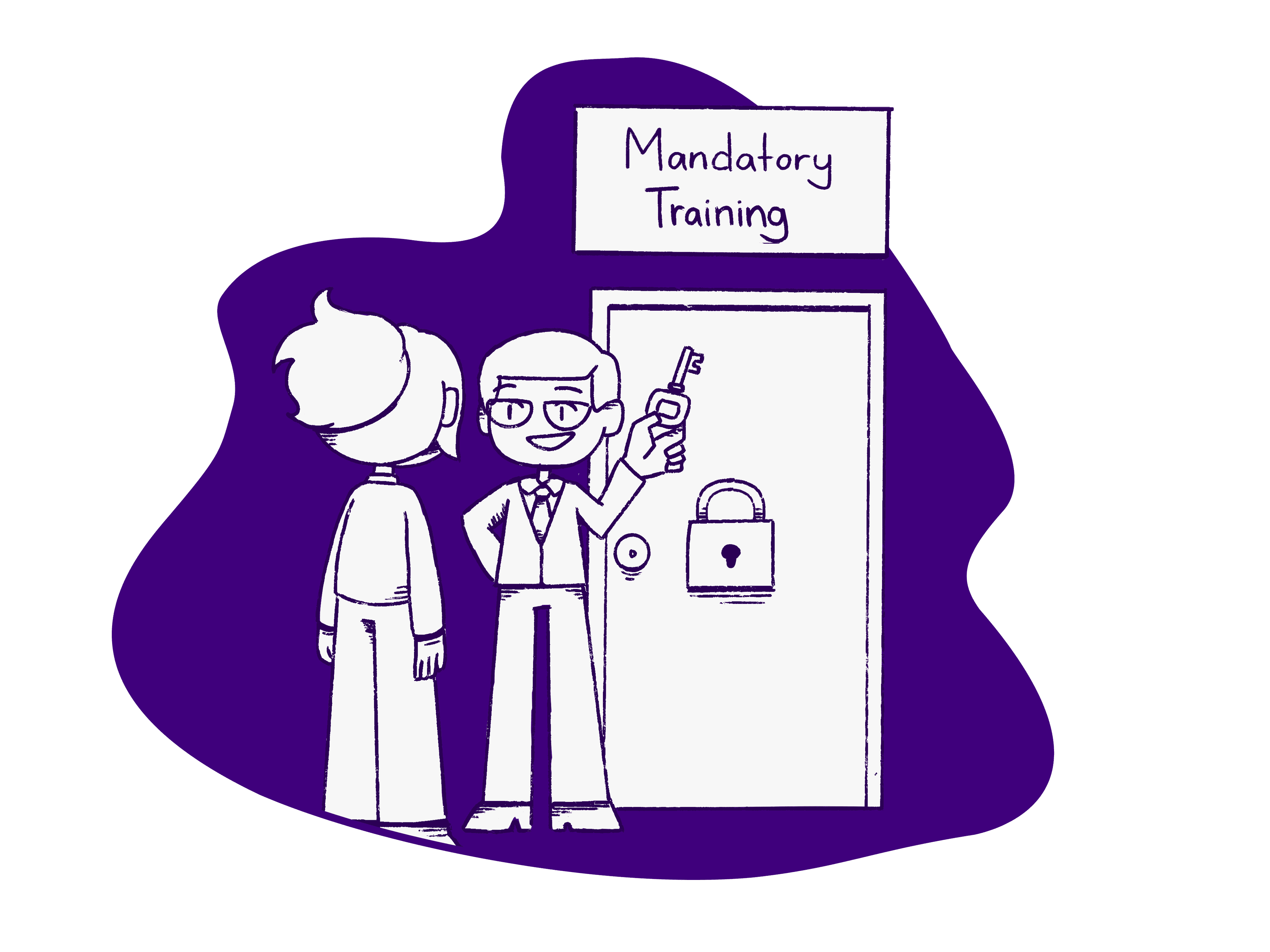
But showing up with a consistent record of skills development tells an employer something real about your professional aptitude and attitude. It signals that you take your own growth seriously. In some sectors, certifications are mandatory – they’re the keys needed to even enter the room.
For job seekers, certifications can feel like a hurdle, another thing to complete before even getting a foot in the door. However, for employers in certain industries, this is often a baseline training requirement that keeps teams productive, safe and equipped to do the job well.
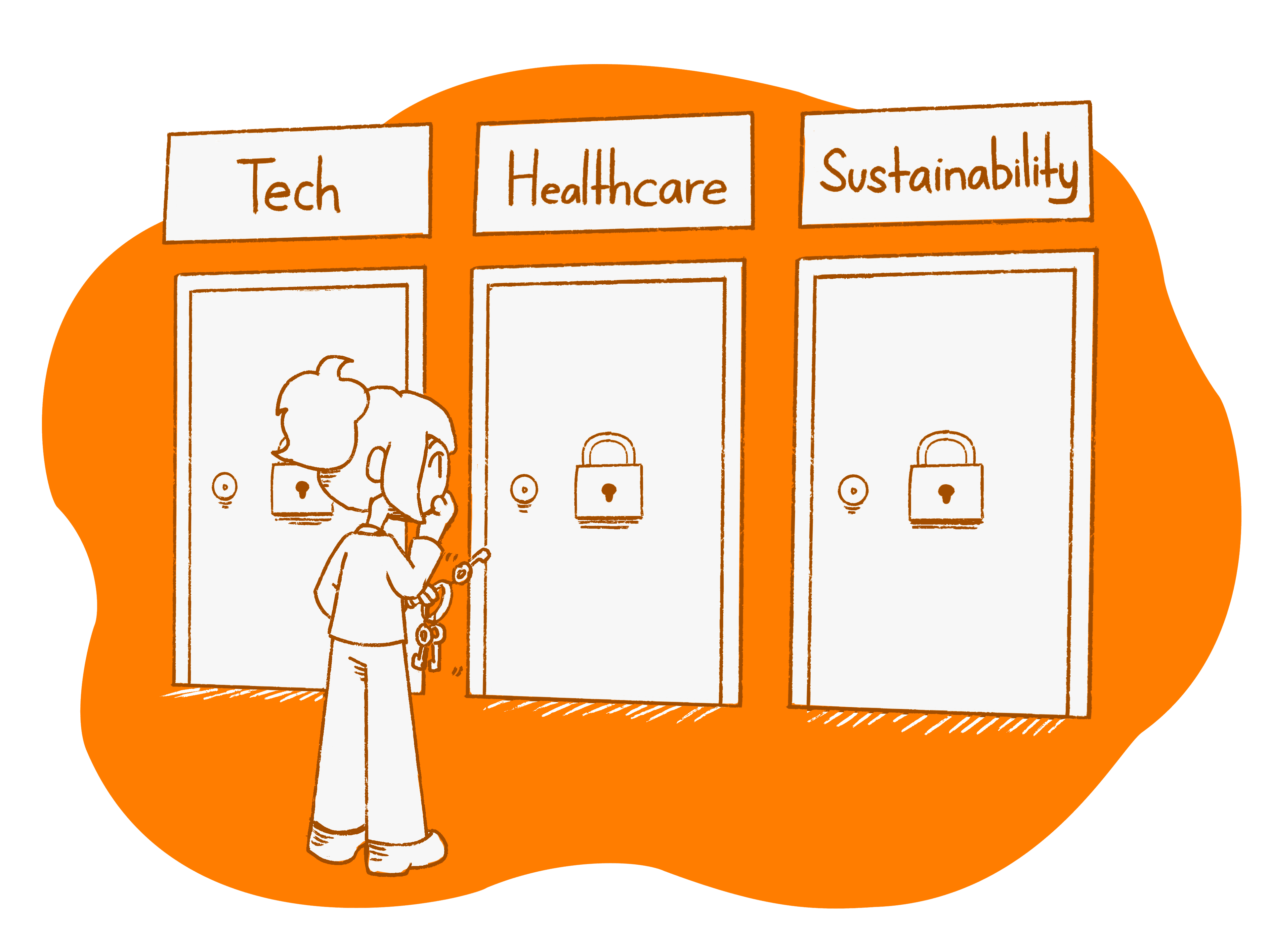
This is where certifications become especially powerful for career switchers, because how else do you demonstrate potential in an industry you've never formally worked in? It gives employers something tangible to look at. For mid-career switchers, certifications and transferable skill sets help bridge that gap by proving baseline competency and willingness to learn.
A certificate alone won't secure the role. But the right upskilling journey, guided by skills relevant to your goals, can help unlock doors that once felt out of reach
1 Findings from the Singapore Hiring Manager Survey Report 2025–2026, which gathered responses from 375 hiring managers and HR professionals.